
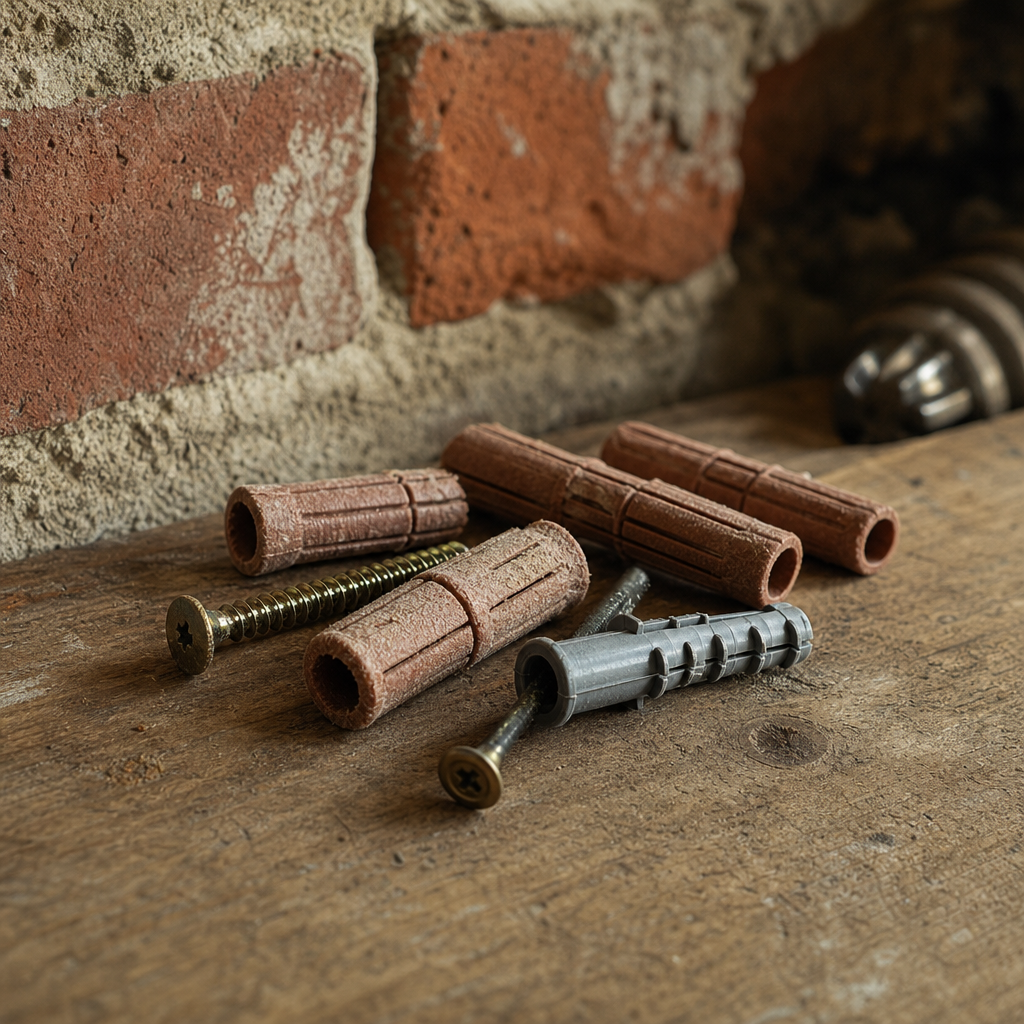
You may not realise it but a wall plug in a hardware shop near you exists because of the rain. Not metaphorically, the specific, relentless, get-inside-your-collar British kind of rain that has been making life difficult for builders here since long before the hardware shop existed.
Few give a thought to bags of fixings and tubes of sealant in hardware shops but almost every product on the shop shelf was shaped by a climate that broke the earlier versions, developed by Europe and America. Britain quietly went about redesigning those tools.
Why did continental fixing methods fail in British walls?
Victorian-era builders importing continental methods of fixing quickly found that what worked in the dry limestone of a Parisian apartment block did not work in the soft brick and old lime mortar of a Bristol terraced house. British masonry is often a miserable cocktail of soft brick, old lime mortar and absorbed moisture. Hard metal fixings driven straight in would either crumble the surrounding brick or work loose as the wall 'breathes' in damp seasons.
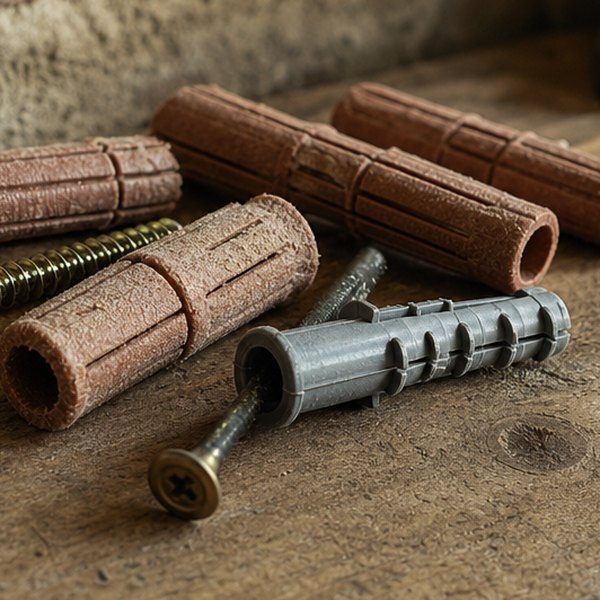
The rawlplug, a fibre sleeve still found in older toolboxes, was developed in Britain in the early twentieth century, specifically because British walls needed something that would expand gently and grip without splitting. A diplomatic solution to a wall that kept refusing to cooperate.
Sealant That Had to Grow Up Fast
Silicone sealants are a modern product developed in the twentieth century. However, sealant formulations sold in the UK diverged early from those developed for sunnier markets. The problem is not the rain itself but condensation – that slow, invisible drip that collects on a cold British bathroom wall every single morning, soaking into any seal that is not genuinely, stubbornly flexible.
Early bathroom sealants would harden and crack in the cold-warm cycles of a British bathroom between October and March. In the UK, formulations got pushed toward higher elasticity and better mould resistance. A product that was OK in Lisbon would be green and crumbling in Leeds within 18 months. For more on how moisture moves through a house in ways that aren't always obvious, Your Walls Have Been Lying To You About Where It Hurts.
Timber That Learned to Survive a British Winter
One of the clearest examples of this is timber treatment. Softwood used in British construction faces a level of ambient moisture that makes untreated wood a slow-motion disaster. The preservative treatments applied to fence posts, decking and structural timber in the UK are formulated for sustained damp exposure, not occasional wet weather. Scandinavian timber traditions went one way, Mediterranean ones another. British ones — shaped by a climate that is neither properly cold nor properly dry — landed somewhere different again, optimised for the grey, persistent, quietly destructive middle ground Britain specialises in.
So next time you're standing in the DIY aisle squinting at the difference between two tubs of wood preserver, remember: Britain's weather has already done most of the thinking for you. The product that's sitting there is the one that survived.
Questions this raises
- Which DIY products were actually redesigned in Britain?
- Are British wall plugs different from European ones?
- Does damp really affect how sealant cures?