

Imagine someone tilted your kitchen floor, very slightly, so that anything round – a marble, a coin, an orange – would just drift towards one corner on its own. You wouldn't notice the tilt at first. You'd just keep finding your stuff piling up in that corner and assume you were untidy.
That, more or less, is what has been done to modern spending.
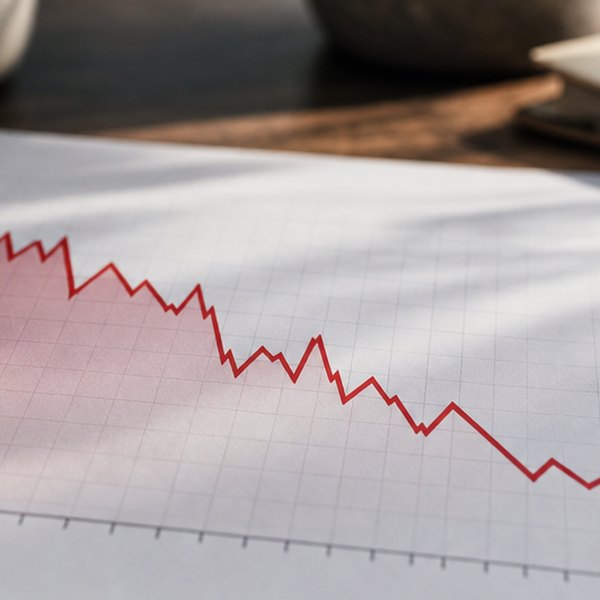
The slope is real, and it was built deliberately. One-click checkout. Auto-renewing subscriptions. Free trials that flip to paid at 11:59 on day fourteen. Streaming bundles that charge you three months after you forgot you signed up. None of this is accidental design. It is what behavioural economists call "sludge" – small, engineered resistances that make money leaving your account feel like nothing at all, while doing anything to stop it requires actual effort: form-filling, hold music, clicking "are you sure?" six times before a cancellation goes through.
Spending Is the Path of Least Resistance
The thing that makes this genuinely interesting – and genuinely annoying once you see it – is that the old personal finance advice assumes the problem is willpower. Cut out the coffees. Make a budget. Be more disciplined. This puts the whole job on you, as if the slope isn't there, as if you're just rolling the wrong way out of laziness.
But the research is pretty clear on this: willpower is a terrible savings strategy because it has to win every single day. The slope only has to win once.
The honest version of money-saving isn't about trying harder in the moment. It's about adding friction back in – making spending slightly more awkward, and saving slightly more automatic, so the slope works in your favour for a change.
For some surprisingly practical thinking on how small structural changes beat effort-based solutions, The Secret Judo Move Your Rawlplug Is Pulling On Your Wall is a nice illustration of the same principle at work in a completely different context.
What Adding Friction Back In Actually Looks Like
The canonical version is the standing order. You set it up once, money moves to savings on payday before you ever see it, and from then on spending that money takes effort rather than keeping it. The slope now runs the other way, gently but constantly.
The same logic applies to subscriptions. Don't try cutting them out through willpower each month – that never lasts. Instead, make yourself list every active one on a single afternoon. Writing them down with their monthly cost does something interesting: it turns invisible money into visible money. Visible money feels harder to spend, which is all the friction you need.
Cancellation cooling-off periods work the same way. Not "should I cancel this?", which you ask every month and never act on, but "I'm cancelling this on the first of next month", set as a calendar reminder. The decision is made once, the reminder does the friction work, and you're off the slope.
None of this is clever or complicated. The slope was engineered by teams of very smart people over several decades, and fighting it with a spreadsheet and good intentions is not an equal contest. Tilting the ground back – even slightly – turns out to be more effective than gripping the floor with your toes.
Questions this raises
- How do you find subscriptions you've forgotten about?
- Is engineered sludge legal in the UK?
- Why are free trials so hard to cancel?
- Can your bank block a recurring card payment?