

Somewhere inside your walls right now, there is a slow river. It has warm currents and cool ones. It rises, it falls, it loops. It has been doing this, in one form or another, in British homes since the Victorians first worked out how to stop freezing to death indoors. Nobody ever explains it, which is a shame, because the physics behind it is genuinely beautiful – and it is exactly the same physics that steers the Gulf Stream.
Hot Water Is a Rebel That Refuses to Sit Still
Here is the thing your heating system is built on: hot water is less dense than cold water. Heat the water in your boiler and it becomes fractionally lighter than the cool water sitting in the pipes above it. So it rises. The cold water, heavier, sinks to take its place at the bottom. That warm water travels up and out through your pipes, gives off its heat to the radiators, cools down, becomes dense again, and drops back toward the boiler to be reheated. Round and round.
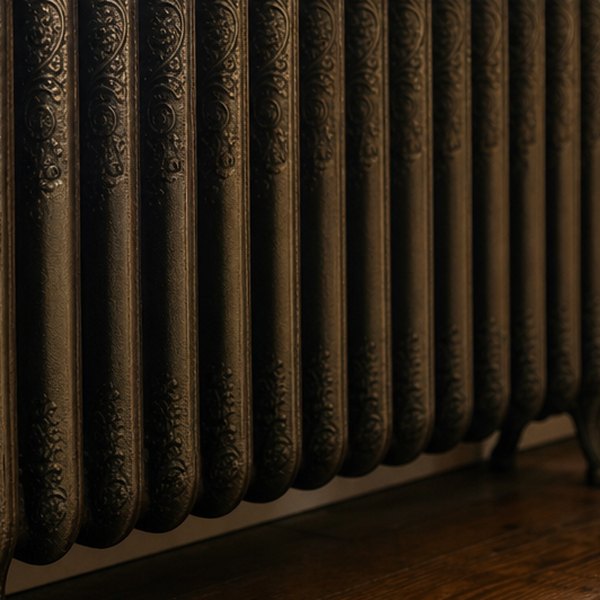
For most of the twentieth century, that was the entire system – no pump, no electricity, just density difference doing all the work, silently, every time the boiler fired up. It was called gravity circulation. And it is the same mechanism, on a planetary scale, that drives ocean currents and the great convection loops of the atmosphere. Your Victorian terraced house was, thermodynamically speaking, running on the same engine as the North Atlantic.
Why the Old Systems Were Built So Oddly
This explains a lot of confusing things about older British houses. Why the hot water cylinder was always upstairs. Why the pipes were so enormous – we're talking 28mm or larger, fat by modern standards. Gravity circulation is slow and gentle. It needed wide pipes to shift enough water to actually heat a room. The whole layout of the system was dictated by that one physical principle: hot things rise, cold things fall, and you had better not fight it.
For plumbing and heating advice you can actually use, Your House Is Losing a Fight With the Universe is worth a read.
The Pump Didn't Replace the Physics. It Just Gave It a Push.
When small electric circulation pumps became common in British homes from the 1960s onward, they didn't change what the water was doing. They just accelerated it. The water still rises when it's hot and falls when it's cold – the pump simply keeps it moving faster, which means thinner pipes, smaller radiators, and a system that responds in minutes rather than hours.
Modern condensing boilers, thermostatic radiator valves, underfloor heating – all of it still depends on that same quiet rebellion of warm water refusing to stay put. The technology got cleverer, but the underlying physics never changed.
Which means the thing heating your living room right now is, at its heart, a weather system. A tiny, domestic, carpet-level version of the forces that move clouds across continents. You just never knew it had that much ambition.
Questions this raises
- Why does one radiator stay cold?
- Does bleeding radiators improve heating efficiency?
- How does a pump change natural circulation?
- Should radiators sit under the windows?