
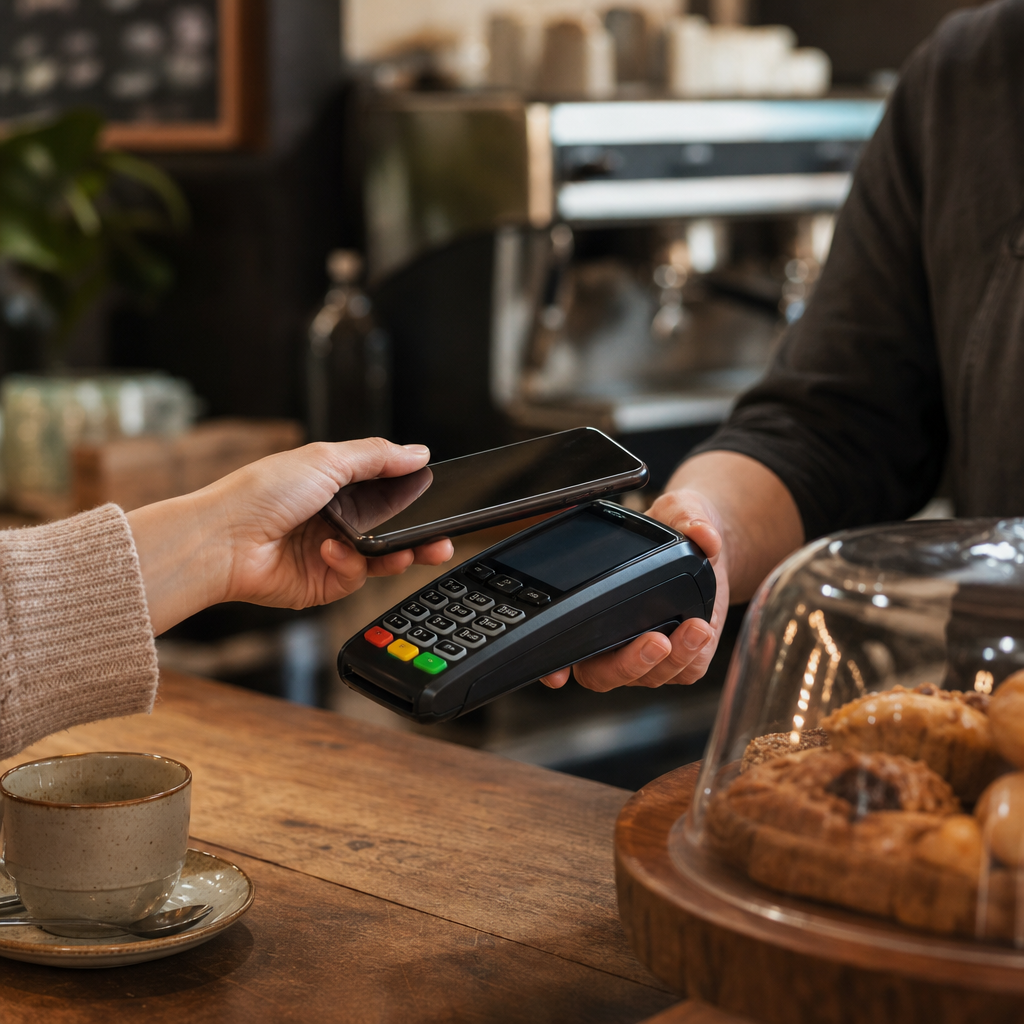
There is a moment, when you hand over a crisp twenty-pound note for something fairly ordinary, where you feel it. Not metaphorically. A small, genuine wince. Researchers have put people in brain scanners while they spend money and watched it happen in real time: handing over physical cash activates the insula, the part of your brain that processes pain and disgust – the same region that fires when you touch something hot or smell something off. Paying with notes and coins is, neurologically speaking, a mild unpleasantness. They call it "the pain of paying", and it used to be completely unavoidable.
Money Used to Be Physical
For most of human history, money was a physical object you had earned, carried and could feel getting lighter in your pocket. Every transaction had a little friction built in. You counted out coins. You watched them go. The psychological accounting was automatic, because the money was right there in your hand, warm from your pocket, and then it wasn't. Saving wasn't some moral virtue – it was almost the default position, because spending felt like something. It had texture.
Does paying by card make you spend more?
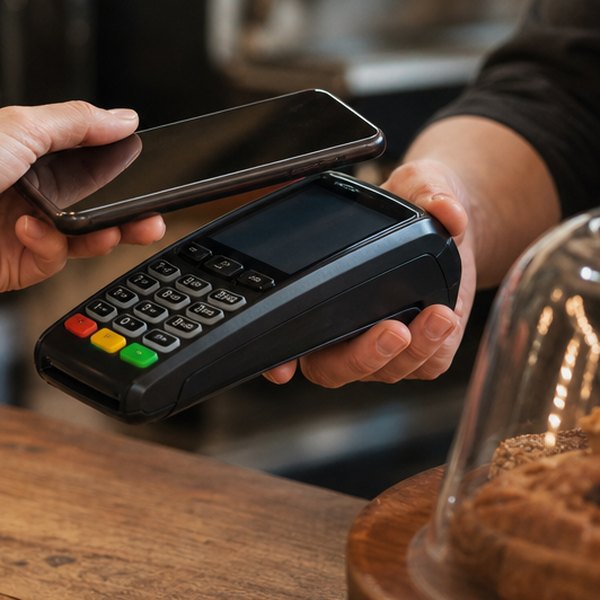
Now think about the last time you tapped your card or your phone at a till. There is essentially no sensation at all. No counting. No watching. No warm coin pressed into a stranger's palm. Just a small beep and a green light. A 2016 study from the University of Toronto found that people who paid by credit card consistently tipped more, bought more, and felt better about their purchases than people who paid cash, even when the amounts were identical. The physical distance from the money dissolved the discomfort, and without the discomfort, the spending just… happened.
It Was Designed That Way
This is not an accident. The contactless payment revolution was designed, carefully and deliberately, to remove every last trace of friction from the moment of purchase. The two-second tap replaced the four-second chip-and-pin, which replaced the thirty-second cash transaction. Every second of delay was a second for the wince to arrive, so the wince was engineered out. Not for your convenience, though that's how it was sold. For the convenience of selling you things.
For more on the hidden psychology behind the spaces we live and spend in, this piece – Your Walls Are Lying To You (And They've Been Doing It Since The Victorian Era) – is worth a read.
How do you bring back the pain of paying?
What nobody tells you in a money-saving guide is that the most effective thing you can do has nothing to do with budgeting apps or savings goals. Just reintroduce the friction. Withdraw cash for the spending categories that tend to drift – food, clothes, nights out – and put it in an envelope if you like. This sounds absurd until you realise it works. The act of counting out notes for a round of drinks, watching the envelope thin, gives your insula something to do again. The wince comes back. And the wince, unglamorous as it is, turns out to be the oldest, most reliable savings tool ever invented.
Questions this raises
- Is cash use still falling in Britain?
- Why does buy-now-pay-later feel so painless?