
A naturalist studying a woodland doesn't wait for a tree to fall over before paying attention to it. They learn to read age: the diameter of the trunk, the texture of bark, the way lichen spreads across north-facing branches. They know, roughly, what's coming and when, because living things follow rhythms. They don't just break. They age.
Your home does exactly the same thing. And once you start reading it that way, maintenance stops being about panic and starts being closer to natural history.
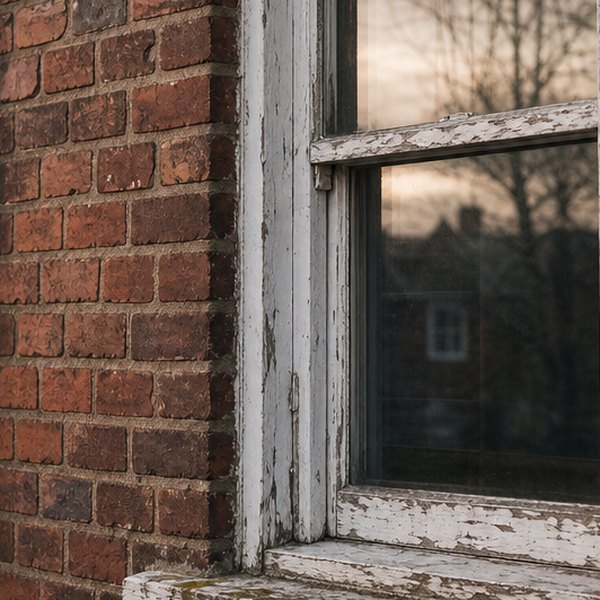
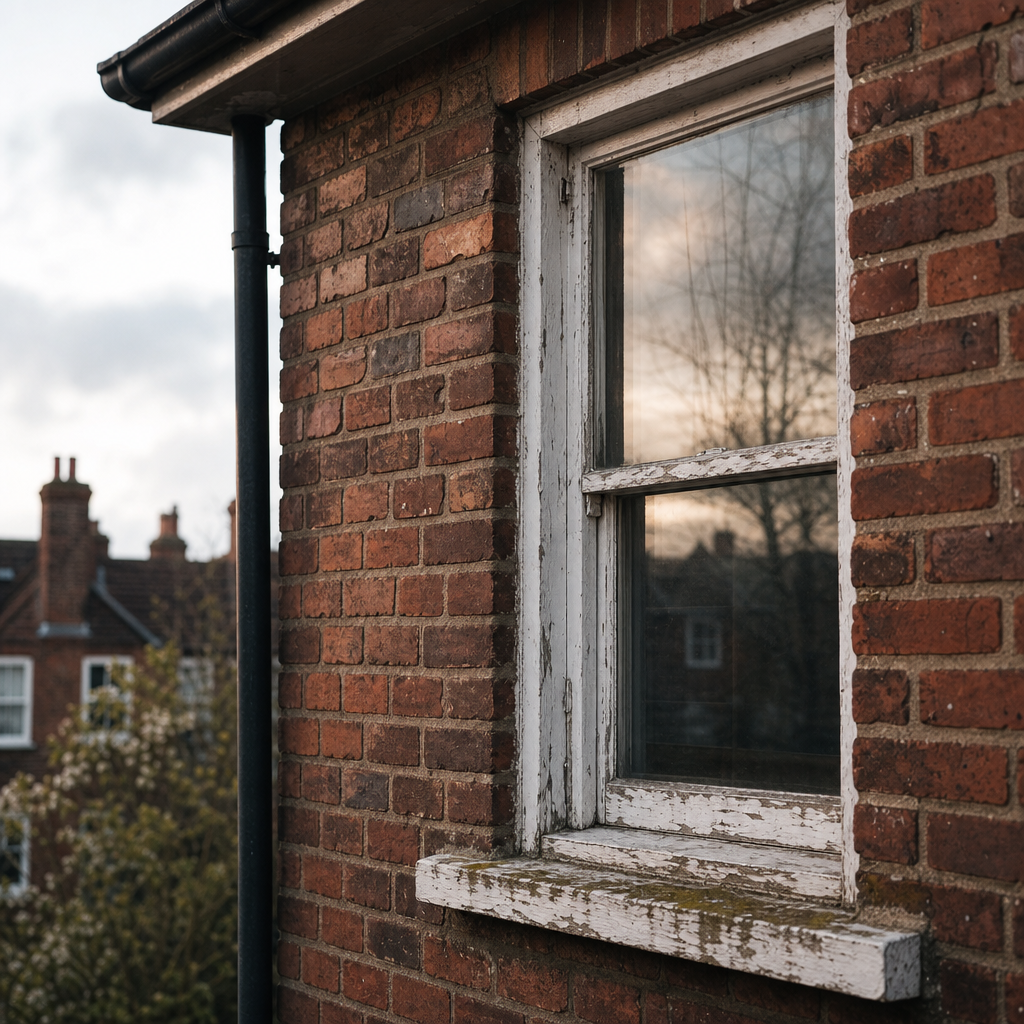
The Organism Hiding Behind the Brickwork
Every component in a building has what engineers call a "service life" – a known, reasonably predictable span before it degrades to the point of failure. Felt roof coverings last 15 to 25 years. Silicone sealant around a bath: 5 to 10. Timber window frames, properly painted and maintained, can go 60 years or more. Unplasticised PVC window frames start to stiffen and craze somewhere around 25 to 35 years. And cavity wall ties – those small metal connectors bridging the two leaves of a brick wall – typically last 15 to 50 years depending on the steel grade and how corrosive your local environment is.
These aren't guesses. They come from decades of surveying, the same way epidemiologists build population health maps from accumulated data. Your home is carrying all of this biological clock-ticking behind its plaster, and it doesn't particularly care whether you've noticed or not.
Reading Age, Not Just Symptoms
The reactive version of maintenance – waiting until the ceiling stains or the window rattles loose – is a bit like only visiting the doctor when something is visibly wrong. You'll still get treatment, but you've already lost the easy window.
The more useful habit is to treat your home as something with an age profile. When did you last replace the sealant around the bath? When was the roof last inspected, and do you know what it's made of? If you moved into a house built in the 1970s or early 1980s, the original cavity wall ties were likely made from ordinary mild steel. At 40-plus years old, they're well into the zone where corrosion becomes a real structural issue – expanding ties can crack the mortar courses in neat horizontal lines, which is a very specific symptom once you know to look for it.
For a good general read on how the mental models we carry around don't always match the physical reality underneath, The Map in Your Head Is a Polite Fiction is worth a few minutes of your time.
The Metabolism Varies By Room
Wet rooms age fastest. The combination of humidity, temperature cycling and direct water contact means a bathroom is effectively running at a higher metabolic rate than a bedroom – grout, sealant, extractor fan bearings, the flexible pipe connectors under the basin, all of them clocking up faster hours than the skirting boards in the hall.
Knowing that lets you direct your attention sensibly. You're not inspecting everything equally; you're reading the organism with a bit of knowledge about which parts wear quickest.
The home isn't waiting to fail. It's ageing, steadily, in ways that are largely mappable – if you take a naturalist's interest in the thing rather than a repairman's.
Questions this raises
- How long should a felt roof actually last?
- Which parts of a house wear out first?
- Is there a maintenance schedule for a British house?
- When should you replace a boiler that still works?