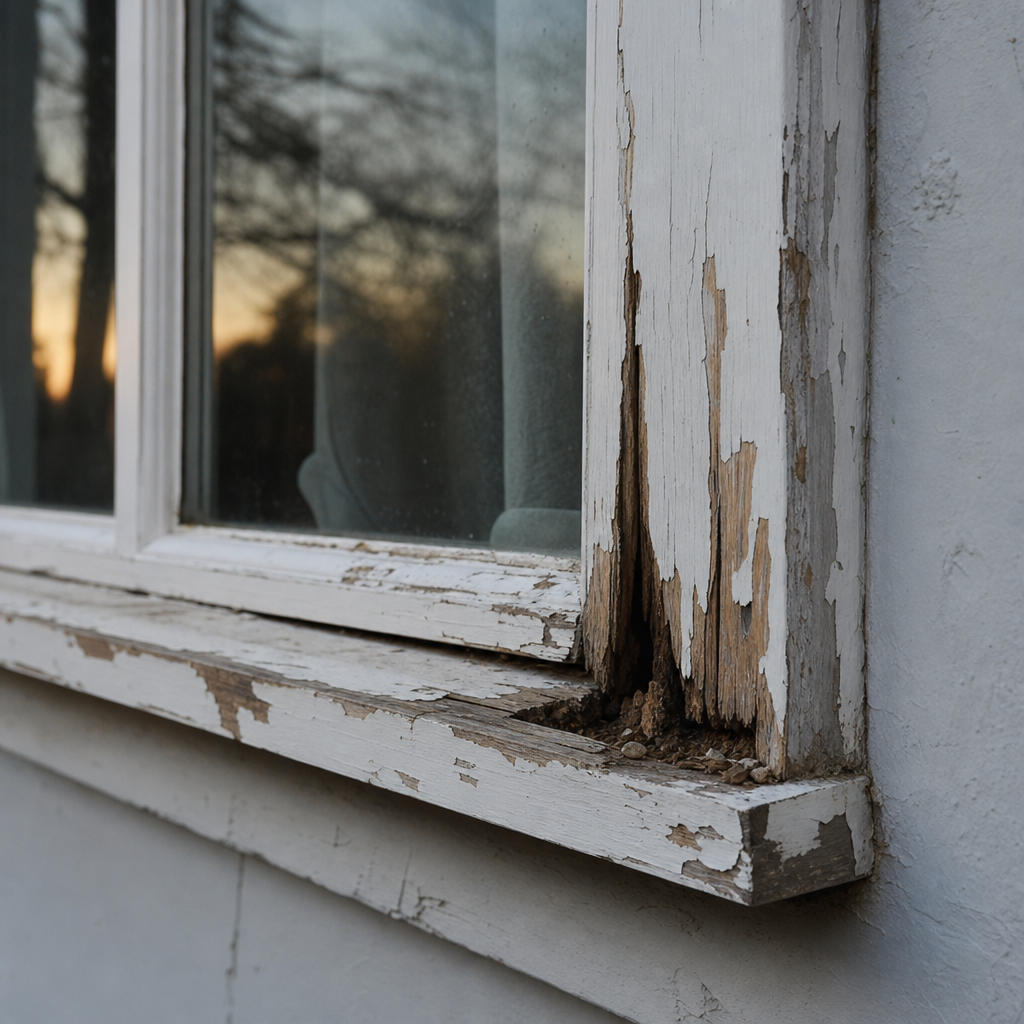
There is a law of physics that governs your gutters. It governs your peeling window frames and the dripping tap you've been meaning to sort out since September – governs the grout that went grey, the gap that appeared at the bottom of the back door, the radiator that stopped warming up properly for reasons you can't quite name. The law is called entropy, and it is, without any exaggeration, the reason everything in the universe eventually falls apart.
What Entropy Actually Is (Not The Boring Version)
Physicists define entropy as the tendency of ordered systems to drift toward disorder unless energy is put in to prevent it. Your coffee cools down. A sandcastle crumbles. A star burns out. None of this happens because of bad luck or poor design – it happens because disorder is overwhelmingly more probable than order. The universe is, in a sense, lazy. It takes a specific, deliberate effort to keep things arranged. Left alone, arranged things stop being arranged.
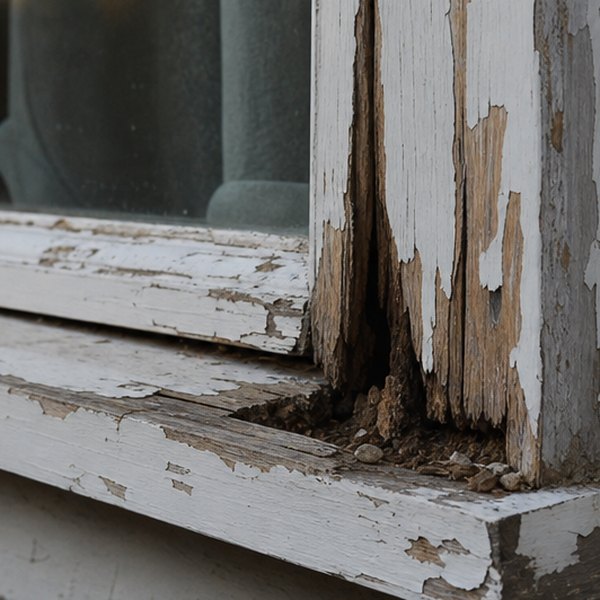
Your house is an arranged thing. Timber, brick, plaster, pipe, glass – all of it held in a particular configuration that keeps weather out and warmth in. Entropy is permanently, gently nudging that configuration in the wrong direction. The caulk contracts, the felt underneath the tiles shifts. The paint at the corner of the frame begins to lift, lets a fraction of moisture in, and the wood beneath starts its slow return to something that looks more like forest floor than window sill.
Every Maintenance Task Is Physics
This reframes what maintenance is. It is not fixing things that broke because something went wrong. It is continuously putting energy back into a system that is always, always losing it. Bleeding a radiator – removing the air that has crept into the circuit and is blocking the flow of hot water – is you restoring order to something that has drifted toward a slightly more chaotic state. Clearing a gutter is you reversing the entropy of accumulated leaves, which, unchecked, dam water that finds the next available path. Which is usually through your fascia board.
For a practical guide to how spatial assumptions affect the way we navigate and maintain our homes, this piece on The Map in Your Head Is a Polite Fiction is worth five minutes of your time.
Is it cheaper to maintain now or repair later?
Entropy compounds. A 2mm gap in a door seal lets in damp air, which meets a cold surface and condenses, sits on wood, and causes it to swell. Swollen wood stresses its frame. The frame cracks, the gap becomes 5mm, and what costs a tube of sealant in October costs a new door frame in March. The universe didn't suddenly turn against you in March. It was moving steadily in that direction the whole time, and October was simply the cheaper moment to push back.
You Are the Energy Input
The actually useful thing to take from all this is that maintenance has a natural rhythm, and that rhythm is not "when it breaks." It's constant, low-level, deliberate. Not because your house is fragile or unlucky, but because it is subject to the same physics as everything else in existence – from your morning cup of tea to a star going cold at the far edge of a galaxy. You are the thing that puts the energy in. The house, left to itself, already knows which way it's going.
Questions this raises
- How often should gutters actually be cleared?
- Why does grout go grey over time?
- Which parts of a house decay fastest?